End Times Updates
Menengai 8 Super Glorious Healing Service: A Meeting Not Like Any Other
Menengai 8 super glorious healing service. Mega Healings broke out.

BY NKOR MARTINE
The Menengai 8 Grand Mega Healing Service, held on 30th December 2025 at Menengai Grounds in Nakuru, Kenya, has been presented as one of the most intense Christian healing gatherings in recent memory, drawing worshippers from across the country and beyond. The meeting, led under the Ministry of Repentance and Holiness led by Prophet Dr. David Owuor, was characterized by hours of worship,fervent repentance, and bold decrees of healing over cripples, the deaf, the mute, the blind, and those suffering severe spinal and paralysis conditions among many other chronic conditions.
Setting and Spiritual Atmosphere

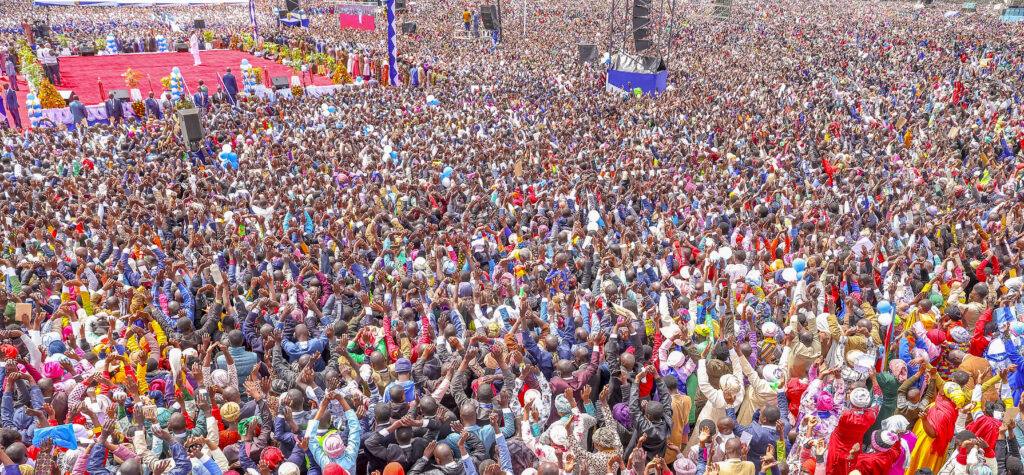
From the early hours of Day, Menengai Grounds transformed into a sea of worshippers, many draped in church colors and carrying banners, united in the expectation of a divine visitation. Multitudes sang in Kiswahili and English, lifting their hands and voices as choirs and worship teams led them in songs declaring God’s holiness, mercy, and power to save and heal. The atmosphere was not that of a typical conference but of a prolonged corporate prayer meeting, with repeated chants of “Halleluya” and “Bwana, nisaidie” (“Lord, help me”) echoing across the field. Worship songs such as “wanijua vyema Bwana” (“You know me well, Lord”) and “nitengeneze Baba, niwe kiumbe kipya” (“mould me, Father, that I may be a new creature”) created a strong sense of personal encounter, as thousands cried out for both inner transformation and physical healing.
Central Theme: Jesus the Healer

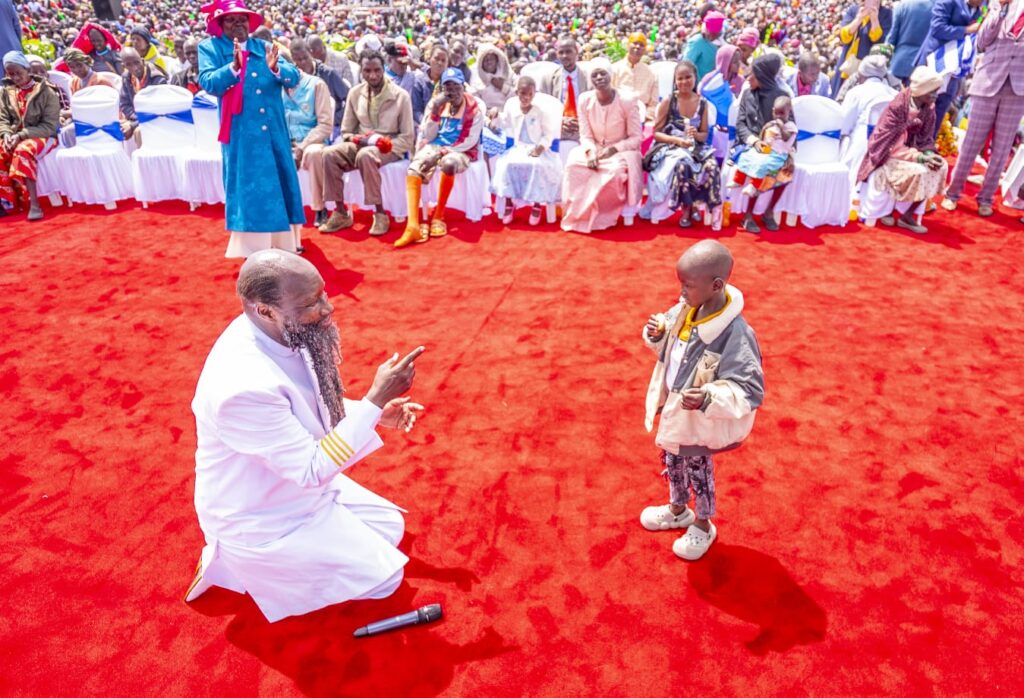
At the heart of Menengai 8 is the proclamation of Jesus as healer of bodies, minds,and souls. Throughout the service, the language of the worship and prayers repeatedly emphasized the Lord as Father, Savior, and Healer, with phrases such as “wewe ni baba yangu” (“You are my Father”) and “Jeova, baba mponyaji wangu” (“Jehovah, my healing Father”). This theological focus provided the foundation on which bold healing decrees were issued over the sick and disabled. The organizers and ministers framed the meeting as a fulfillment of previous prophesies of a “Grand Mega Historic Healing Service,” inviting the sick from hospitals, villages, and distant nations with the expectation that God would demonstrate compassion through visible miracles. In promotional messages leading up to the event, people were urged to bring the crippled, the blind, the deaf, the dumb, and those with severe diseases, with repeated prophecies that “cripples will walk, deaf ears will pop open, blind eyes will open.”
The Healing Decree: “Every Condition Under the Sun”

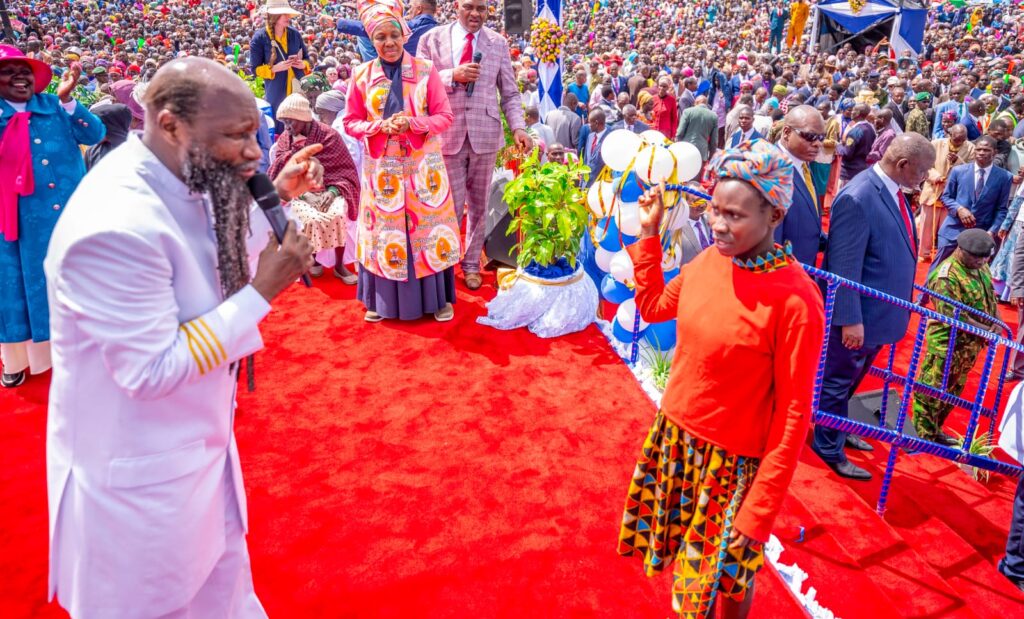
One of the most striking elements of Day 1 was the formal healing decree pronounced over the crowd, extending beyond the physical location of Menengai Grounds to those following the service remotely. The decree deliberately listed categories of affliction in detail, reflecting the belief that no situation was beyond the reach of the power of the blood of Jesus.The declaration included:A command that cripples rise and walk, addressing those who were lame, paralyzed, or had never walked, that they may stand, walk, and even run as a sign of God’s intervention.
A proclamation that deaf ears “pop open” and become sensitive, so that those who had lived in silence would suddenly hear clearly. A command over the mute (dumb) to speak, calling for tongues that had never uttered words to begin pronouncing the name of Jesus and testifying to healing. A decree that blind eyes“pop open”, so that people previously in darkness would see light again, read, recognize faces, and navigate without assistance.A prayer covering spinal cord injuries, paralysis, and severe mobility conditions, addressed through references to “walemavu, mapooza” (the disabled, the paralyzed), and a universal instruction that “everybody now receive your healing.” The decree culminated in the sweeping statement that “every condition under the sun” be submitted to the authority of Jesus’ name, making clear that the service was not confined to a few categories of illness but invited all manner of disease and affliction to bow.
Cripples Walking: Hope for the Physically Disabled

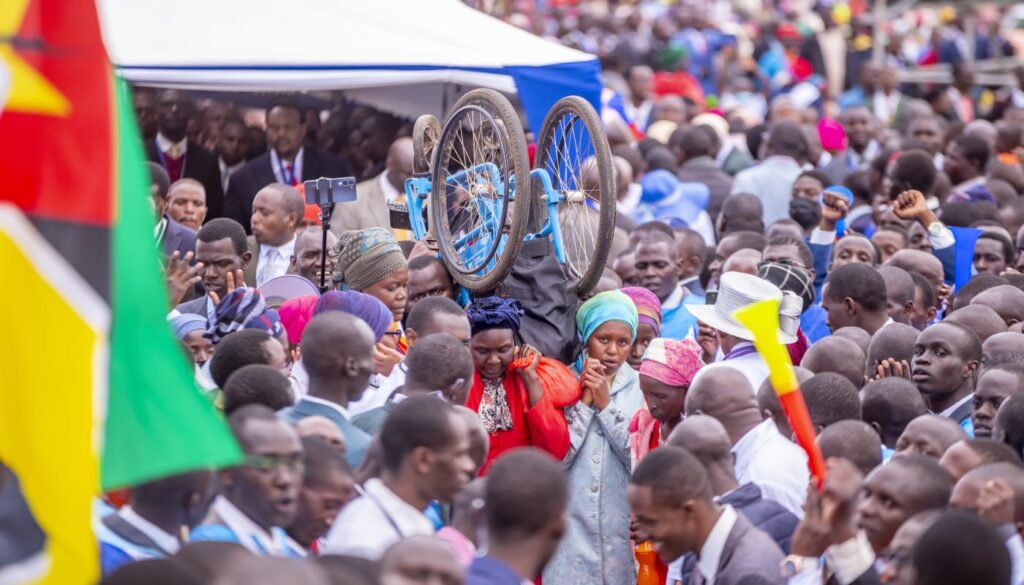
One of the strongest emphases in the Menengai 8 narrative is the expectation that cripples, people who could not walk, whether from birth, accident, or illness, would rise and walk away from their wheelchairs, crutches, and support devices. This expectation mirrors reports and testimonies from earlier Menengai meetings, where the Ministry of Repentance and Holiness has previously documented cases of people who have walked after long-term disability. Announcements and social media posts around Menengai 8 explicitly invited families to bring “the cripple, lame, paralyzed,” promising that the same God who healed in past meetings would move again at Menengai Grounds. During Day 1, the healing decree for cripples was delivered not as a suggestion but as a direct command, relying on a literal reading of New Testament healing accounts and placing the weight of hope on the power of the cross.
Deaf Hear and Dumb Speak: Restoring Communication

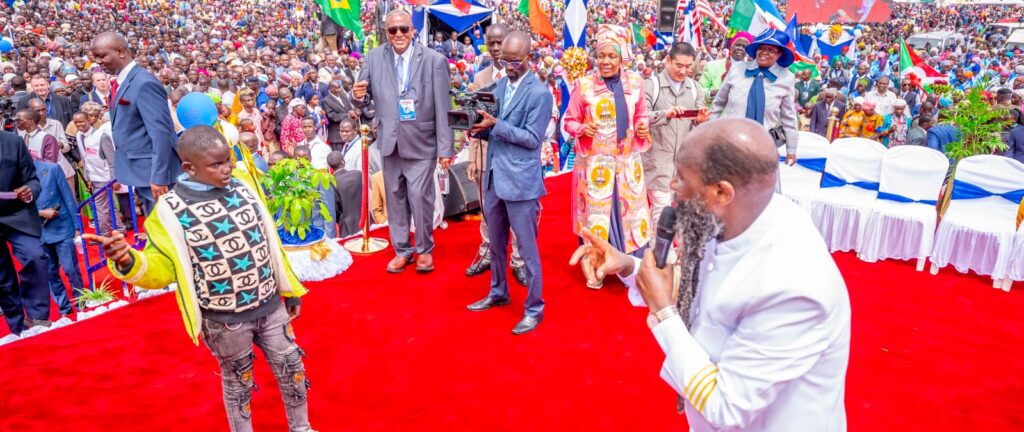
Another key emphasis of the service was on hearing and speech, two senses that are fundamental to human relationships and worship. In the decree, the minister prayed that “the deaf ears pop open and become sensitive,” language that suggests sudden, dramatic change rather than gradual improvement. The prayer explicitly connected this change to “the eternal blood of Jesus,” treating hearing restoration as both a physical and a spiritual sign.
Alongside the deaf, the mute (dumb) were specifically mentioned by Prophet Dr.David Owuor, with the expectation that people who had never spoken would begin to form words, sentences, and testimonies. Within the theology of the meeting, the ability to speak is closely tied to praising God; therefore, the opening of a mute tongue is seen not only as a miraculous happening but as an invitation into active worship and repentance for the coming kingdom of God.
Blind Eyes Open: From Darkness to Light

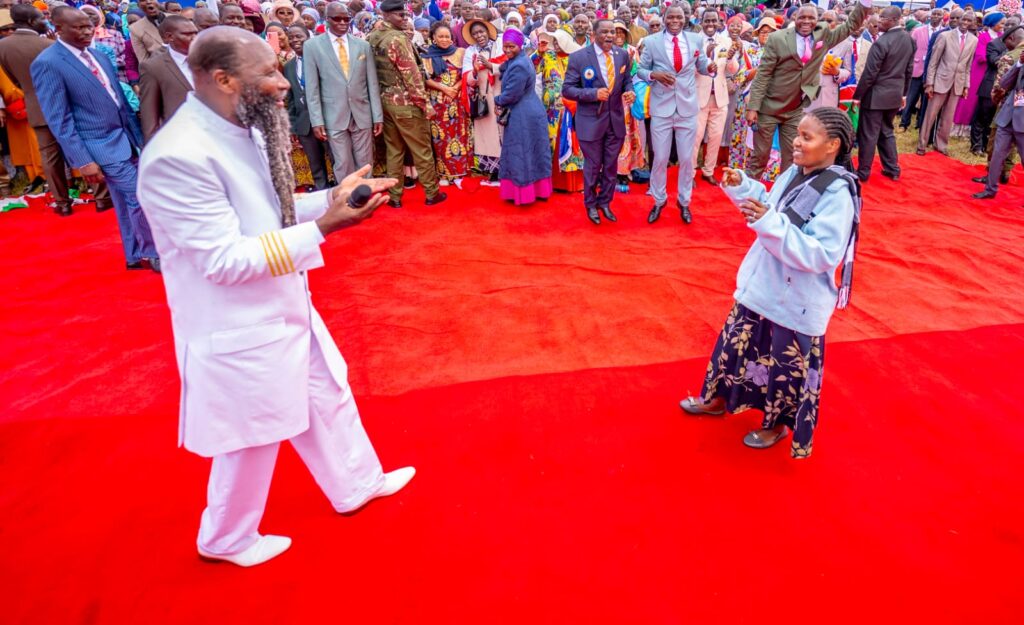
The Menengai 8 healing decree also placed special focus on the blind, with language such as “I command the blind eyes to pop open now… that the blind everywhere may see.” ,by Prophet Dr.David Owuor. This imagery of eyes “popping open” evokes the sudden miracles described in the Gospels and has been a recurring theme in prior meetings of the same ministry, where healing crusades often highlight cases of people reported to have regained sight. The symbolism of blindness and sight carries both physical and spiritual meaning in this context. Physically, the opening of blind eyes allows people to regain autonomy, rejoin schooling or work, and reconnect visually with loved ones. Spiritually, it is framed as a sign of God removing darkness and deception, enabling people to see the path of holiness and preparation for the coming of the Lord more clearly.
Healing of Spinal and Paralysis Conditions
Beyond sensory impairments, the service emphasized healing for spinal cord injuries, paralysis, and other severe conditions affecting mobility. When the decree referenced “walemavu, mapooza,” it encompassed people with broken backs, nerve damage, and long-standing paralysis, many of whom require wheelchairs or constant support. The prayer called for the Lord to “touch cripples” and those with such conditions through the flow of the eternal blood of Jesus, with the aim that they not only stand but also walk, jump, and function without human assistance. In promotional materials, Menengai 8 was frequently described as a “Super Glorious Healing End-Year Service,” reinforcing the idea that even complex medical conditions such as spinal injuries could be reversed in a single prophetic moment.
Testimonies, Expectations, and Public Reaction

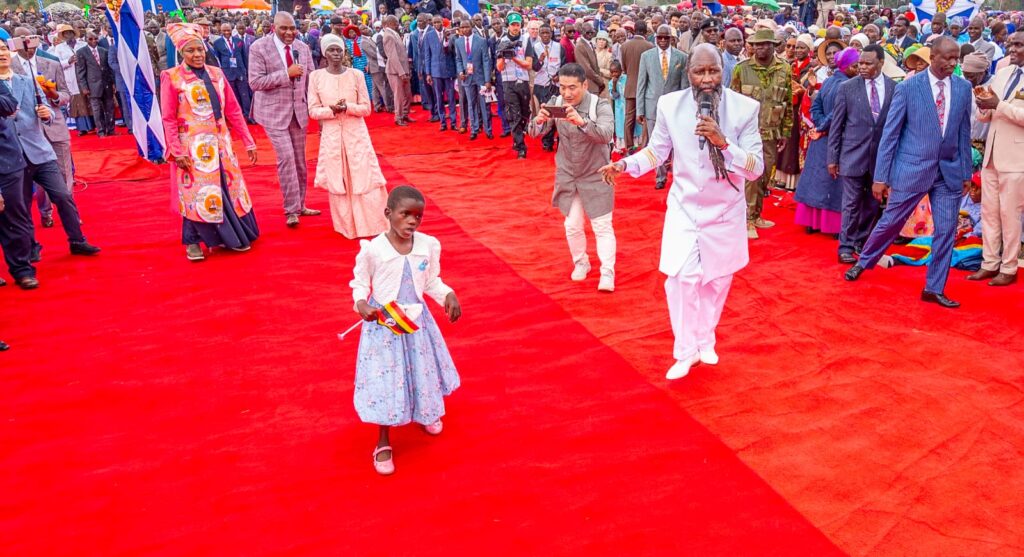
While detailed, independently verified medical documentation is often limited in public reports, social media posts and local live coverage around Menengai 8 highlight testimonies and celebrations of people healed. Clips show crowds rejoicing, some people lifting crutches, and relatives celebrating what they describe as instant changes in their loved ones. At the same time, such large-scale healing claims frequently attract mixed reactions, including deep faith and gratitude from followers and questions or scrutiny from observers who seek more rigorous evidence. Nonetheless, for many believers present at Menengai Grounds, the core experience of Menengai 8 is not just about documented outcomes but about encountering hope, repentance, and a renewed sense that God still intervenes in the affairs of human suffering.
Repentance as the Foundation of Healing

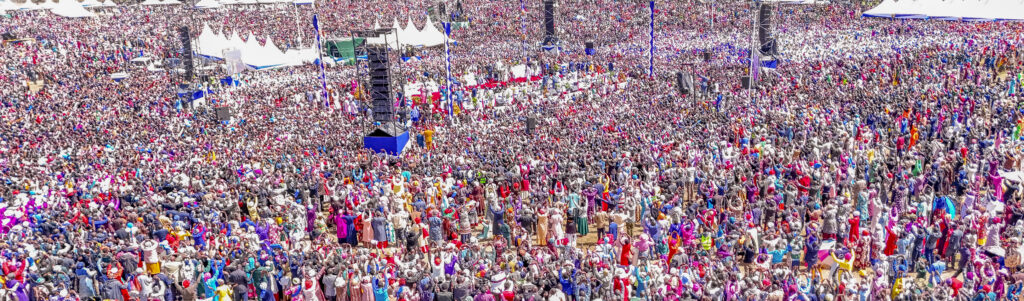
A defining feature of the Menengai 8 Grand Mega Healing Service is that healing is presented as flowing from repentance and holiness, not as a stand-alone spectacle. The long segments of worship include cries such as “sikia maombi yangu” (“hear my prayer”) and “nibadilishe Baba” (“change me, Father”), indicating that many participants view physical healing as intertwined with spiritual restoration.
The ministry’s messages consistently call people to turn away from sin, embrace righteousness, and prepare for the coming of the Lord, teaching that such a posture opens the door for God’s favor, including miraculous healing. In this way, the sight of a cripple walking or a blind person seeing is treated as both a personal miracle and a public call to repentance across the nations.
A meeting Defined by Bold Faith
The Menengai 8 Grand Mega Healing Service on 30th December 2025 stands out for its bold, specific, and public decrees: cripples commanded to walk, deaf ears ordered to open, dumb tongues told to speak, spinal injuries addressed, and blind eyes commanded to see. Whether viewed from within the faith community that organized it or from the broader public square, the event reflects a deep conviction that Jesus still heals “every condition under the sun” and that an entire nation can gather around that hope at the close of the year.